Disruptive Guerrilla Marketing Warfare & Strategy
How Underdogs Win Before the World Notices

In modern marketing conversations, we romanticize scale.
Brand storytelling. Digital transformation. Billion-dollar valuations.
But disruption does not begin at scale.
It begins in chaos.
Before press coverage, before investor confidence, before market dominance, true disruptors fight a guerrilla war. They operate under constraints, improvise under pressure, and weaponize creativity against capital.
This is not theory.
This is how category-defining companies are actually built.
The Core Philosophy of Guerrilla Marketing Warfare

Guerrilla marketing is not about clever ads.
It is about asymmetric advantage.
When you lack:
- Capital
- Distribution
- Brand trust
- Market authority
You must compensate with:
- Speed
- Proximity to the problem
- Human effort
- Narrative intelligence
Disruption happens when resourcefulness beats resources.
Example in Action: Airbnb’s Guerrilla Phase
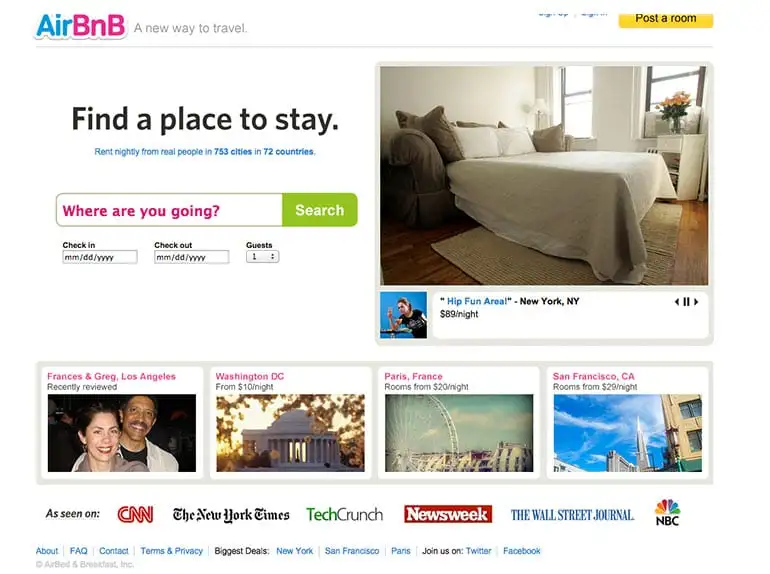
Before Airbnb became a global marketplace, it operated like a guerrilla unit.
The founders, Joe Gebbia and Brian Chesky, were not chasing scale.
They were solving an immediate survival problem.
A design conference created a temporary demand spike.
Hotels were fully booked.
Supply collapsed.
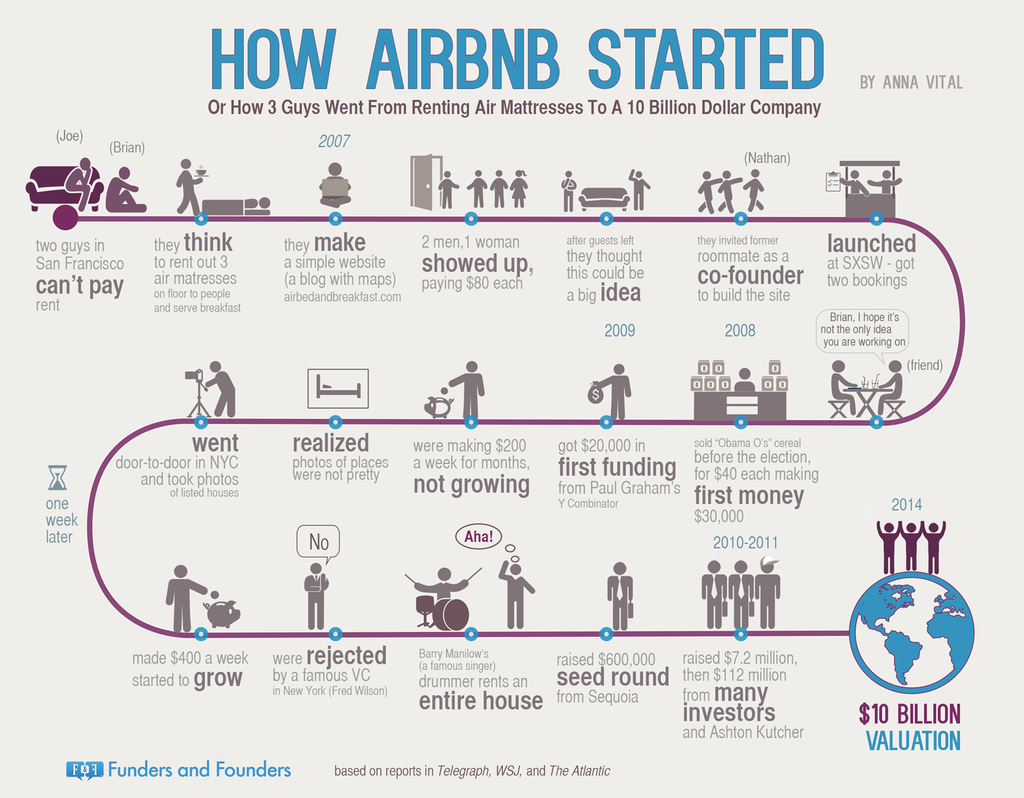
Instead of building a platform, they tested reality:
- One apartment
- Air mattresses
- Paying guests
That moment was not luck.
It was situational awareness, the first rule of guerrilla warfare.
Guerrilla Principle #1: Build Proof, Not Perception
Early-stage marketers obsess over branding, positioning, and perception.
Guerrilla operators obsess over proof.
Airbnb did not start with a brand campaign.
It started with:
- Three paying customers
- Cash in hand
- Immediate validation
No funnels.
No automation.
No dashboards.
Just one question:
Will someone pay for this today?
Proof creates leverage.
Perception follows later.
Guerrilla Principle #2: Do the Unscalable to Win Trust
Scalable systems come later.
Trust must come first.
In Airbnb’s early phase, trust was built manually.
The founders personally:
- Stayed with hosts
- Experienced every friction point
- Photographed listings themselves
These actions did not scale.
They created credibility.
Guerrilla marketing does not avoid manual effort.
It uses it as a weapon.
Credibility is earned with effort before it is earned with systems.
Guerrilla Principle #3: Attention Is a Weapon

When Airbnb was nearly out of money, they did not run ads.
They engineered attention.
Election-themed cereal boxes.
Sold at a ten-times markup.
Designed to hijack cultural relevance.
They did not sell cereal.
They sold a story.
This was not gimmickry.
It was narrative warfare, using attention to unlock belief, capital, and momentum.
Stories travel where ads do not.
The Disruptive Guerrilla Checklist
This framework separates operators from observers:
-
Exploit temporary chaos
Conferences, trends, inefficiencies, demand spikes. -
Validate before you scale
One real customer beats a thousand impressions. -
Trade labor for leverage early
Manual effort is an advantage, not a flaw. -
Use narrative as a force multiplier
Attention compounds faster than capital. -
Outlast better-funded competitors
Resilience is strategy.
Final Thought

Every dominant brand you admire today began as a fragile operation fighting invisibility.
The difference was never the idea.
It was the mindset.
Markets are not conquered by the best ideas.
They are conquered by the most relentless operators.
This is guerrilla marketing warfare.
And this is how categories are taken, not entered.